Pages

Showing posts with label public health. Show all posts

Sunday, March 04, 2012

in which i realize that i never actually had dysentery


I thought the antibiotics I took for the dysentery had worked, but that was short-lived. My stomach has been sort of upset even after taking the full course, but I sort of chalked it up to eating nothing but spicy Indian food. But then on Friday night, I couldn't fall asleep because it felt like I was in the movie "Alien," and I just generally felt crappy and low-energy all week. I also chalked this up to the rigorous schedule that we had been following.

But this afternoon I had a low-grade fever and had a lot of...intestinal issues. I also was peeing a lot. Like, I would drink an ounce of water and immediately run to the bathroom. Also, Electral in water tasted delicious, and oral rehydration salts only taste good if you're dehydrated. I sucked it up and went to the doctor today. I didn't have to poop in a cup this time, but I did take a cup home to poop in just in case the medication he prescribed didn't work.

Turns out I was misdiagnosed. Bacterial dysentery, my ass. Instead, I've got the ever-pleasant giardia! Check out that lovely chart of the life cycle of the protozoa from the CDC on the left. Symptoms of giardiasis include -- diarrhea, gas, greasy stools that tend to float, stomach or abdominal cramps, upset stomach or nausea/vomiting, and dehydration. I've had all of these things. Additionally, giardiasis can apparently appear to get better only to come back in full force a few days later. This is probably what happened to me after taking the antibiotics.

Hopefully this will be the end of my GI problems in this country. My roommate, on the other hand, is raring to eat some street food. I still just want a simple salad and maybe some tomato soup. Arugula, where are you?!

Sunday, February 19, 2012

aligarh -- the city that is featured in no guidebook

One laboratory in a urban health center where they test for TB. This was only one of many laboratories that these doctors let us - a group of 21 American college students with no formal medical training - let us traipse through.
Our bathroom at the illustrious guest house in which we were staying. I was afraid to pee most nights.
Signs for condoms. Isn't he cute?
Indian record-keeping system at a primary healthcare facility. The tertiary teaching hospital had a comparable filing system.
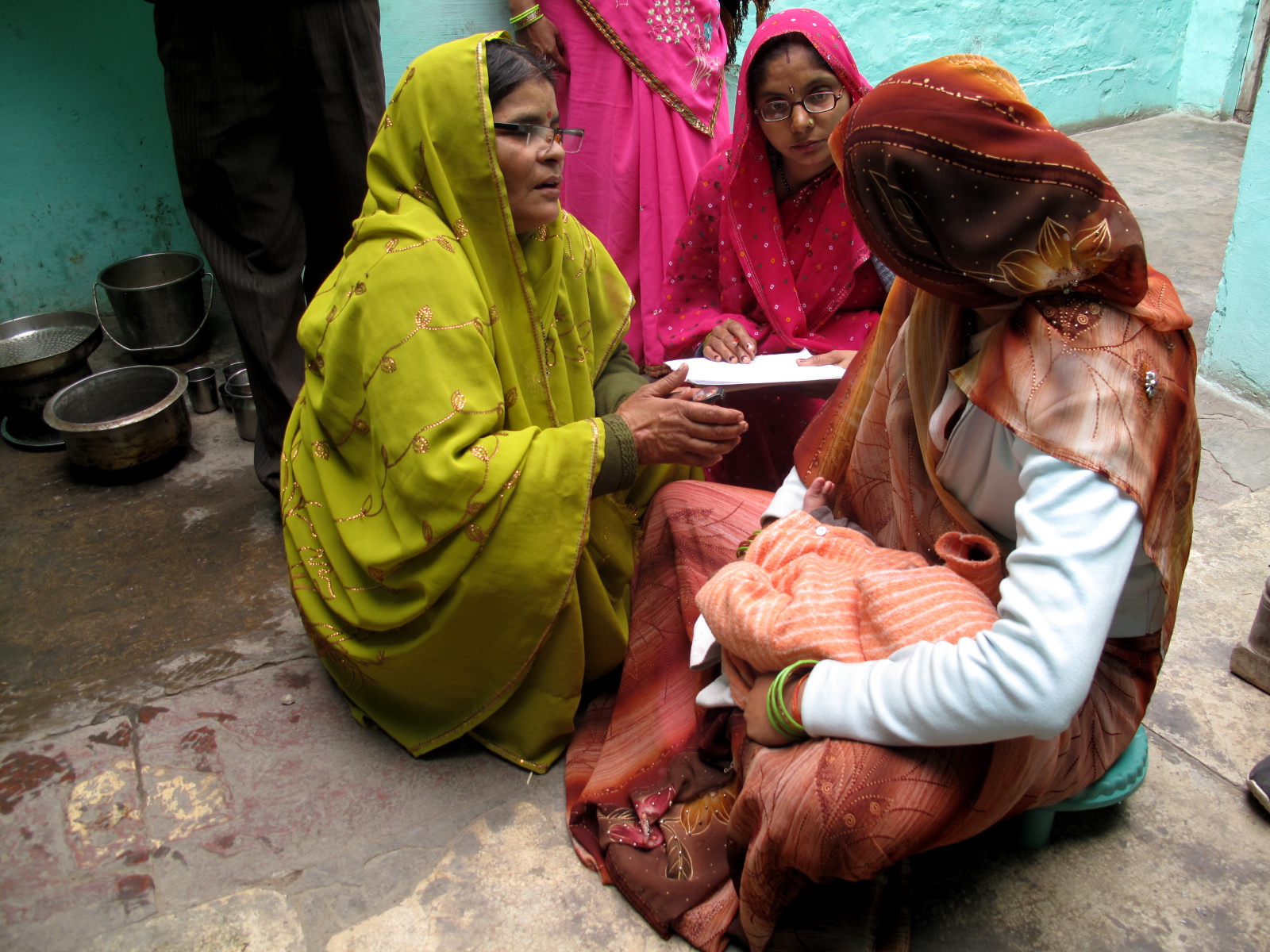
ASHAs, or Accredited Social Health Activists, meeting with a local woman and her one-and-a-half month old baby. The role of these ASHAs is to decrease the rates of infant mortality in their rural communities, so they encourage pregnant women to give birth in hospitals to avoid complications, teach the women how to breast feed properly and ensure that the newborn baby is healthy and well-cared for and not underweight. A really cool program that was amazing to see in person.
Cows. And the Mystery Machine.
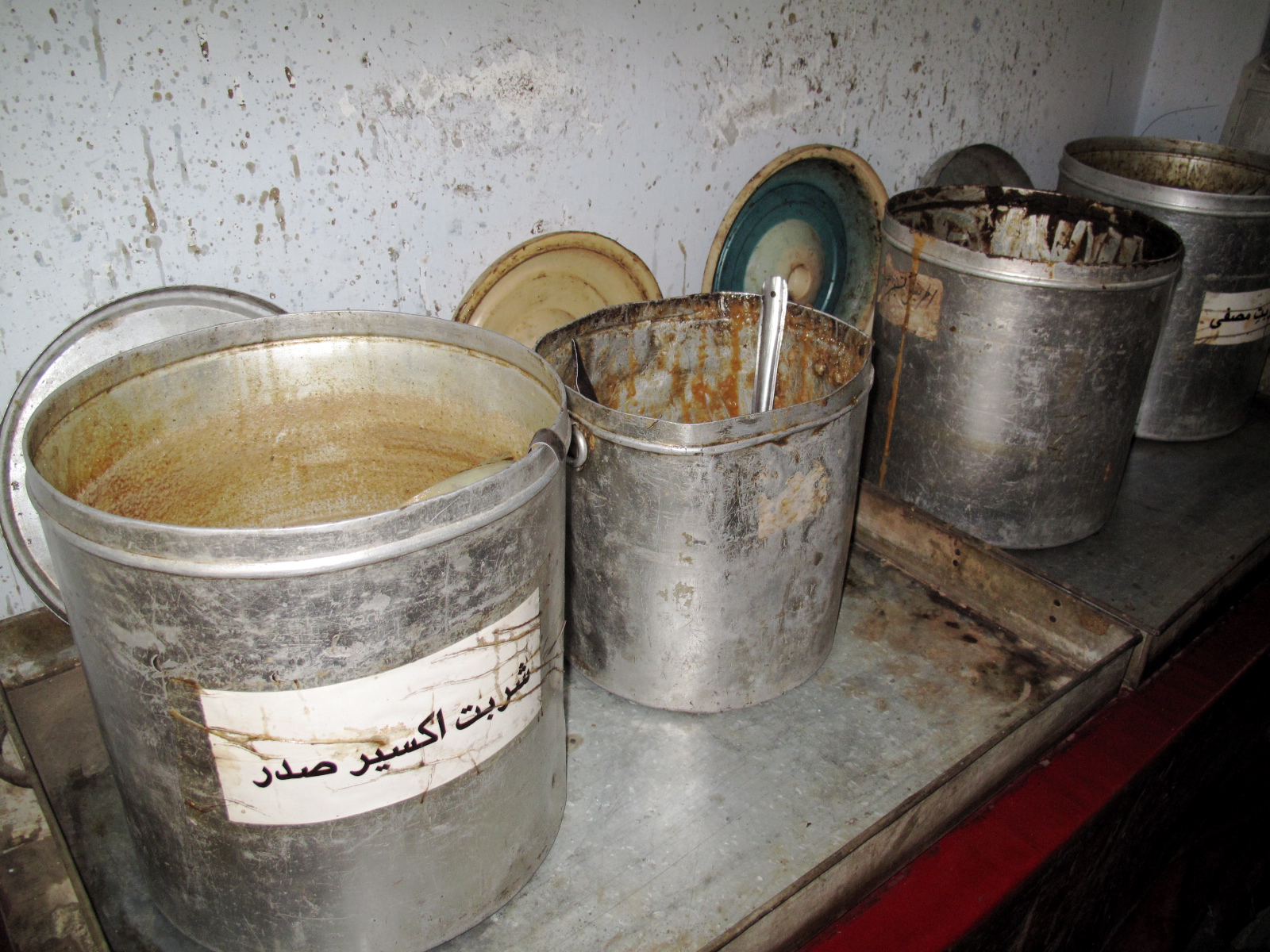
These are medicines, actually. Prepared by Unani doctors. Unani is a traditional form of medicine that is funded by the central government.
I'm very luck to come from a family that loves to travel, but there's a common reaction I get when I tell my peers that I went to some really awesome city - like London or Seoul - with my family. It's always an, "Ohhhh," marked with a distinct hint of understanding, a touch of sympathy and a smattering of apology. In that one syllable, which sometimes gets drawn out to three or four, there is an implied, "Sorry you had to travel with your family. That sucks because you definitely didn't get to do what you wanted to do, which includes going out on the town after 9PM and hanging out with people our own age."

This is how I feel about this program. It's like I'm traveling with my family. And, as my family can attest, I do not travel well with my family. There is the Yosemite Incident of 2010, in which I yelled at my dad for stopping the car too much to take pictures of wild animals. Most recently is the South Korean Panic Attack of 2011, in which I broke down on a tour bus somewhere between a Buddhist temple and a seaside park. Traveling with this program reminds me too much of these experiences, which leaves me like a fussy three-year old who is ready to throw a tantrum at the drop of a hat.

This all came to a head this week when we went to Aligarh, a city in Uttar Pradesh and home of the Aligarh Muslim University, to see the different levels of healthcare delivery. (Let me also say here that I didn't realize that this was the purpose of the trip until the third or fourth day in. Students asked us on the first day what we were doing in the illustrious city of Aligarh, and I couldn't tell them. I just shrugged and pretended that I didn't understand what they were trying to say.)

Over the last week, I've seen at least four different hospitals. I was thrust into a TB clinic without really being told what to do except stare at the patients who walked in to see the doctor. On the way home, we waited for a train that was three hours late and still found ourselves hopping onto a moving car. Our group was constantly harassed by locals, who insisted on taking pictures of us. We were shuttled around in this tour bus without really being told where we were going, but we always ended up at some sort of healthcare facility. Seeing what we did was really cool, and I've got some good photographs and some even better stories out of it. Above are some pictures that I think really capture my Aligarh experience. I guess this is what experiential learning is all about, or something. I just hope our next excursion doesn't leave me with the same bitter taste in my mouth or makes me want to curl up and hyperventilate...

At least I don't have dysentery anymore.

Tuesday, January 17, 2012

"learning to be lean"

I just read this article in The New York Times called "Learning to Be Lean." I recommend you read it; it's about emerging plans to decrease childhood obesity in the United States now that many insurance companies will have to pay for this kind of preventative care.

What strikes me in this article is how complicated the issue is. A person's weight is definitely influenced by diet and exercise, but those are not the only factors. Although these programs have been successful in some senses, they still fail in lots of others, and even with better diet and exercise, some of these patients gained the weight back.

Fighting chronic diseases like hypertension and diabetes - which are comorbidities of obesity - does require some kind of a lifestyle change. However, as this article points out, there is no magic bullet. There is never a magic bullet in public health, and education alone is not the answer to solving this complicated problem. And if there is this much of a challenge fighting obesity in the States, where many of the participants have the financial resources to choose healthier food options, then what are the implications for those in less developed countries? If there are limited resources for an intervention, should they be spent promoting these kinds of lifestyle change when there is evidence that the efficacy is limited?

P.S. Check out this awesome interactive chart from NYT. It shows who's in the top 1%, and it's not just bankers.

Monday, January 16, 2012

thoughts on public health in the dr

I got back from the Dominican Republic on Saturday evening, and I still haven't been able to fully process my week there. What has struck me about the experience is the lack of control that these community members have over their own living situation. Above is a photograph I took of the sugar refinery in Montellano, which is within walking distance from Pancho Mateo. For years, the sugar company controlled nearly everything in Pancho Mateo. It was the main source of employment for the community members. It built the barracks around which Pancho Mateo sprung up. It literally shaped the landscape of the community. The sugarcane refinery is still visible from the distance, and the otherwise fertile ground across the street from Pancho Mateo is blanketed by sugarcane.

Since the whole sugar industry was such an important force in this community's existence, it only makes sense that community members would hold onto the hope that this force would re-emerge. There are constantly rumors flying about that the sugarcane refinery will re-open, despite the absolute dearth of evidence to prove this. But talk is important in Pancho, and when those in power aren't communicating with the community, gossip can be just as authoritative as law.

The sugar company isn't the only mysterious outside force ruling over Pancho Mateo. A slew of small apartment buildings - which are shown on the right - sprung up in last February. They were apparently contracted by the government, but no one with any authority has come to talk to the community to tell them who will move in or when. We talked with one man from Pancho Mateo who even helped to build these apartments who doesn't know anything about them. Common knowledge says that these buildings were built in order to buy votes for the upcoming Presidential election, but there is no strong evidence of that either. These buildings are now standing on the side of the highway, completely empty, and no one in the community can know for sure why the government built them in the first place. From what we were told, there is no real desire to find the answers to these questions, but even if there was, the contact person in the government is unknown.

This lack of follow-up from outside organizations - be they private, governmental or non-profit - is clearly a major problem in Pancho Mateo, so I understand why an organization would not want to take on a project without knowing that it can follow the intervention through to the logical conclusion. This community has already been toyed with extensively, and there is no reason to continue that tradition. Although talking and qualitative research may not have as tangible an impact as some kind of infrastructural intervention, it still affects the participants and it still can raise hopes. In my opinion, I believe that it is equally negligent to go into the community and to ignore then what community members have to say.

If we want to help this community, we need to take the information we have gathered from the community and use that data in the residents' best interests. If we know the community's primary concerns, we should act on this. And if we do not listen and respond to the community's concerns, we are ultimately no better than the sugar company or the government in its negligence and thoughtlessness.